


The Polarization Puzzle: Decoding The Michael Movie First Reviews
- Ganesh Raheja

- Apr 23
- 3 min read

The anticipation surrounding Antoine Fuqua's cinematic take on the King of Pop has finally met the reality of critical consensus. As the highly anticipated Michael Movie First Reviews begin to flood the internet ahead of the April 24 2026 theatrical release, a deeply fascinating and sharply divided narrative is emerging.
Rather than a universal agreement, the critical response presents a massive split between awe inspiring musical spectacle and narrative frustration.
By conducting a forensic investigation into these varied reactions, we can begin to piece together the true nature of this massive Lionsgate and Universal Pictures project and understand exactly why it is polarizing critics across the globe.
What do the Michael Movie First Reviews highlight as the undeniable strengths?
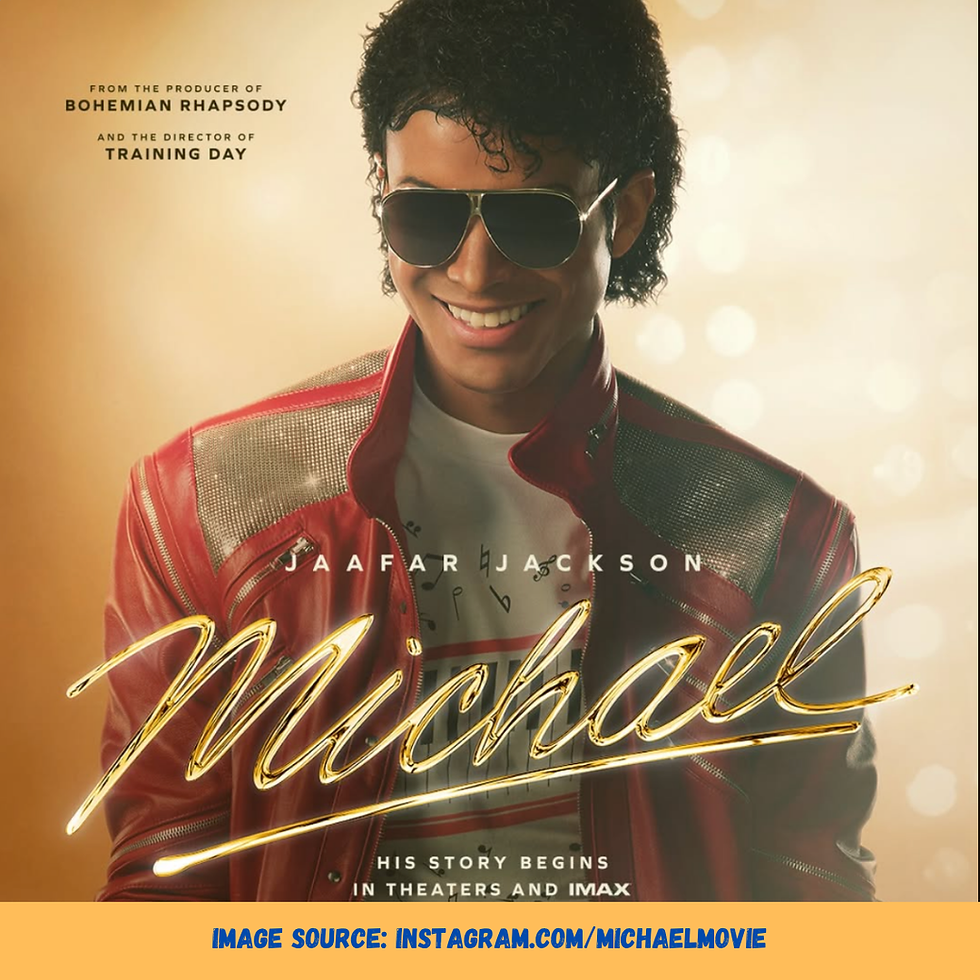
The most consistent praise across the board centers on the astonishing central performance by Jaafar Jackson. Critics are universally noting that stepping into the shoes of his legendary uncle is a Herculean task, yet he delivers a measured, tender, and incredibly uncanny portrayal.
The reviews indicate that he manages to capture the delicate vulnerability and the exacting artistic perfectionism of the pop icon without ever descending into mere caricature.
Furthermore, the musical set pieces are being hailed as absolute cinematic triumphs. Reviewers confirm that when the film focuses on reconstructing iconic stage performances and music videos, it becomes an exuberant and thrilling experience.
Observers note that Fuqua utilizes a visual lens reminiscent of massive superhero origin stories, making the concert sequences visually stunning and undeniably nostalgic for fans of the era.
Why are critics labeling the storytelling as safe and hollow?
The massive divide in the critical reception stems entirely from the script and the overall scope of the narrative. Multiple prominent outlets have heavily criticized the film for being frustratingly shallow and sanitized.
The film reportedly acts as an elaborate celebration rather than a probing psychological study, carefully sidestepping the profoundly complex and controversial latter half of the artist's life.
By focusing primarily on his rise from his early childhood up through his absolute peak in the 1980s, the picture conveniently concludes before his legacy becomes significantly thornier.
Critics point out that this deliberate omission creates a highly polished vehicle that demands a collective amnesia from the audience. For those seeking a daring or unfiltered exploration of his deeply troubled history, the picture ultimately feels like a massive missed opportunity.
What kind of cinematic experience should audiences expect?
Piecing the verifiable clues together, it becomes clear that this project operates fundamentally as a high budget concert film and a nostalgic myth building exercise. It is a cinematic monument built to remind the world why the musician became a global phenomenon in the first place.
Fans looking for an electrifying rush of pop music history will likely leave the theater absolutely ecstatic.
The production design, the choreography, and the sheer scale of the musical numbers are reportedly worth the price of admission. However, viewers hoping for a definitive biographical drama that tackles the full complexities of his existence will find the narrative painfully risk averse.
What are the verified details and critical takeaways?
Theatrical Release: Premiered in Berlin early in the month, with a wide theatrical launch scheduled for April 24 2026.
Lead Performance: Jaafar Jackson stars as the titular artist, receiving unanimous praise for his uncanny and measured acting.
Key Cast Members: Colman Domingo stars as Joe Jackson alongside Nia Long as Katherine Jackson and Miles Teller as John Branca.
Director: Antoine Fuqua helms the project, bringing a massive blockbuster scale to the spectacular musical numbers.
Critical Divide: Praised for breathtaking musical recreation and visual flair, but heavily criticized for highly sanitized and safe storytelling.
Narrative Scope: The timeline primarily tracks his early childhood and peaks during the 1980s, entirely avoiding his later controversies.
Some Closing Thoughts
When examining the complete spectrum of early reactions, it is evident that this biographical drama succeeds wildly at its primary objective while intentionally failing at another.
By engineering an awe inspiring tribute to the music, Antoine Fuqua has delivered a visually spectacular crowd pleaser that will undoubtedly dominate the global box office.
Yet, by smoothing over the darker, more complicated edges of its subject, the film leaves film critics wanting far more substance.
It is a fascinating cinematic paradox, proving that capturing the magic of a legend on stage is far easier than unraveling the complex truth of the man behind the curtain.
So, are you as pumped for Michael as us? Let us know in the comments section down below!
Keep coming back to this space for the latest in the world of entertainment!


Comments